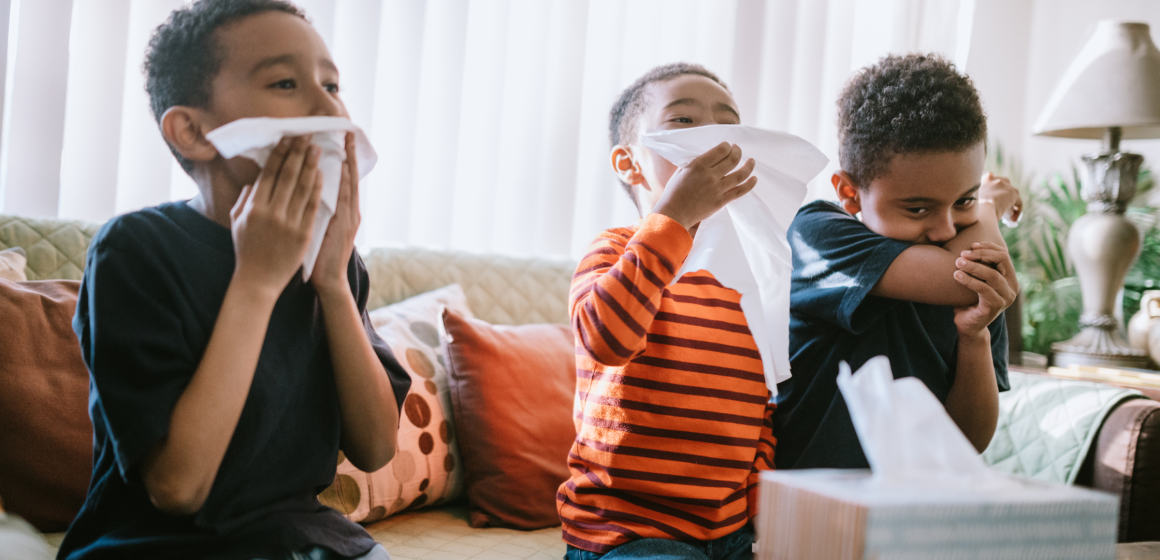
The start of a new year is the perfect time to focus on your child’s health and well-being. With winter bringing its share of colds, flu, and other illnesses, boosting your child’s immunity is essential for keeping them healthy and thriving. By incorporating healthy foods, habits, and wellness strategies into your family’s routine, you can help strengthen their immune system and set them up for success in the months ahead.
Here are practical tips to enhance your child’s immunity and promote overall wellness.
1. Serve a Balanced Diet Rich in Nutrients
Good nutrition is the cornerstone of a strong immune system. Focus on including:
Immune-Boosting Foods:
- Fruits and Vegetables: Opt for colorful options like oranges, berries, spinach, and carrots, which are rich in vitamins C and A.
- Whole Grains: Choose oatmeal, brown rice, and quinoa for their fiber and nutrient content.
- Protein Sources: Include lean meats, eggs, beans, and nuts to support growth and repair.
- Probiotic-Rich Foods: Yogurt and fermented foods like kefir help maintain a healthy gut, which is closely tied to immunity.
For guidance on creating balanced meals, check out MyPlate.
2. Ensure Proper Hydration
Staying hydrated supports all bodily functions, including the immune system. Encourage your child to drink water throughout the day, and limit sugary beverages. Warm options like herbal teas or broths can also be soothing during the colder months.
3. Prioritize Quality Sleep
Adequate sleep is critical for immune health. The American Academy of Pediatrics (AAP) recommends:
- Preschoolers (3-5 years): 10-13 hours per night.
- School-aged children (6-12 years): 9-12 hours per night.
- Teens (13-18 years): 8-10 hours per night.
Create a bedtime routine that includes calming activities like reading or gentle stretching to help your child wind down.
4. Encourage Regular Physical Activity
Exercise boosts circulation and helps the immune system function optimally. Aim for at least 60 minutes of physical activity daily, such as:
- Playing outside.
- Indoor activities like dancing or yoga.
- Team sports or family walks.
For ideas on keeping kids active, visit HealthyChildren.org.
5. Teach Good Hygiene Practices
Prevent the spread of germs by reinforcing hygiene habits, including:
- Washing hands with soap and water for at least 20 seconds.
- Avoiding touching their face, especially eyes, nose, and mouth.
- Covering coughs and sneezes with a tissue or elbow.
Make handwashing fun by using colorful soaps or singing songs to ensure thorough cleaning.
6. Limit Screen Time and Reduce Stress
Too much screen time and high stress levels can weaken the immune system. Encourage:
- Screen-free family activities like board games or crafts.
- Relaxation techniques such as deep breathing or mindfulness exercises.
If your child shows signs of stress, create a supportive environment where they feel comfortable sharing their feelings.
7. Stay Up-to-Date on Vaccinations
Vaccinations are a critical component of preventing illness. Ensure your child’s immunizations are current, including seasonal flu shots. For a vaccination schedule, refer to the CDC’s Immunization Schedule.
8. Consider Vitamin Supplements if Needed
If your child is a picky eater or has specific dietary restrictions, consult a pediatrician about appropriate vitamin supplements. Common immune-supporting supplements include:
- Vitamin D: Helps fight infections and reduce inflammation.
- Zinc: Plays a role in immune cell function.
Always follow your healthcare provider’s recommendations before starting any supplements.
9. Create a Warm and Comfortable Environment
A cozy, stress-free home environment contributes to overall wellness. Ensure your child has:
- Appropriate clothing for cold weather.
- A clean and well-ventilated space to prevent the buildup of allergens and germs.
10. Schedule Regular Check-Ups
Routine visits to your child’s pediatrician can help identify and address potential health concerns early. Discuss your child’s growth, nutrition, and any seasonal health risks during these appointments.
Conclusion
Boosting your child’s immunity involves a combination of nutritious food, healthy habits, and preventive care. By incorporating these strategies into your daily routine, you can help your child stay healthy and resilient throughout the winter and beyond.