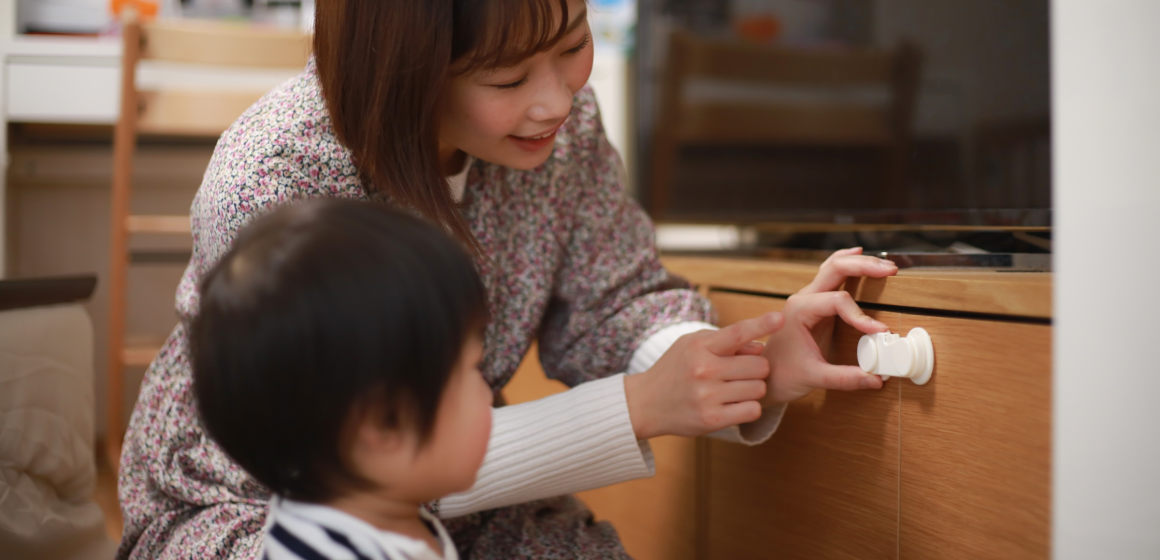
Babyproofing often begins when little ones start to crawl, but once toddlers are walking, climbing, and exploring, safety needs shift dramatically. Suddenly, your child can reach new heights—literally. For parents in Buffalo, Erie County, and Western New York, childproofing beyond infancy is an ongoing process that adapts to each stage of development.
The American Academy of Pediatrics (AAP) reminds parents that injuries remain one of the leading causes of hospitalization in toddlers, but most can be prevented with thoughtful safety measures.
Why Ongoing Childproofing Matters
Toddlers are curious, active, and determined. What was once out of reach may now be an easy grab. Stairs, windows, furniture, and household items all present new risks as children gain mobility and independence.
Key Safety Areas for Toddlers
1. Furniture and Falls
- Anchor bookshelves, dressers, and TVs to the wall to prevent tip-overs.
- Use window guards or locks on upper floors.
- Install safety gates near stairs and supervise climbing.
2. Kitchen and Bathroom Hazards
- Keep cleaning supplies, medicines, and sharp objects in locked cabinets.
- Always supervise around water—toddlers can drown in just a few inches.
- Use stove knob covers and keep pot handles turned inward while cooking.
3. Choking and Poisoning Risks
- Avoid small objects like coins, batteries, and toy parts.
- Store laundry pods and medications well out of reach.
- Cut food into tiny pieces and avoid hard foods like nuts, popcorn, and whole grapes.
4. Fire and Burn Safety
- Keep hot drinks and space heaters away from toddlers.
- Set water heater temperature to 120°F or lower.
- Install and regularly test smoke and carbon monoxide detectors.
5. Outdoor and Seasonal Safety
Buffalo families know that winter brings extra risks. Keep walkways clear of ice, supervise play near snowbanks, and dress toddlers in weather-appropriate layers. In summer, ensure yards are free of standing water and supervise closely around pools or sprinklers.
Teaching Safety Along the Way
Childproofing isn’t just about barriers—it’s also about teaching. Even at age two, children can begin learning simple safety rules, like holding hands in parking lots or not touching hot stoves. Repetition, modeling, and calm reminders build long-term awareness.
When to Call Your Pediatrician
If your toddler has an accident—whether a fall, ingestion, or burn—call your pediatrician right away. For suspected poisoning, contact the Poison Control Center at 1-800-222-1222 immediately. Pediatricians at Medical Health Associates of WNY can guide families on treatment and prevention for future safety.
The Bottom Line
Childproofing is not a one-time event—it evolves as children grow. By staying ahead of your toddler’s abilities and combining physical safeguards with gentle teaching, you can create a safe home environment while allowing independence to flourish.
For more information, visit the AAP’s home safety guide. For local, personalized support, connect with Medical Health Associates of WNY, where pediatricians partner with families to protect children at every stage of development.
Because keeping toddlers safe isn’t about limiting their curiosity—it’s about giving them the freedom to explore in a secure environment.