Newborn skin is delicate, soft, and sensitive. It’s one of the first things parents notice and love about their babies—that velvety feel and sweet newborn scent. But within days or weeks of birth, many parents are surprised to see rashes, flakes, or irritation appear. The good news is that most skin conditions in infants are common, harmless, and treatable with simple care. Knowing what’s normal and when to call your pediatrician helps new parents in Buffalo, Erie County, and Western New York feel confident in caring for their baby’s skin.
Cradle Cap: Those Yellow Flakes on Baby’s Scalp
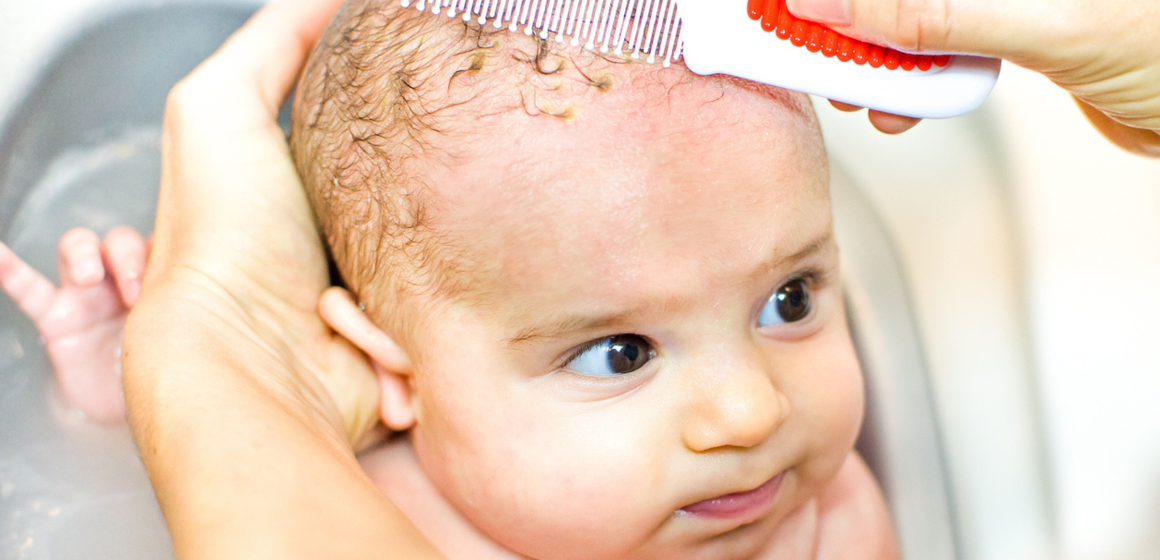
Cradle cap, medically known as seborrheic dermatitis, is one of the most common skin conditions in infants. It usually appears within the first few months of life and shows up as greasy, yellow, or brown scales on the scalp. Sometimes it extends to the eyebrows or behind the ears.
According to the American Academy of Pediatrics (AAP), cradle cap is not painful, itchy, or contagious. Most babies don’t even notice it. Gentle care is usually all that’s needed:
- Wash the scalp daily with a mild baby shampoo.
- Gently loosen flakes with a soft brush.
- In stubborn cases, your pediatrician may recommend a medicated shampoo or cream.
Cradle cap often improves on its own by the time a baby turns one.
Eczema: Sensitive, Dry, and Itchy Skin
Eczema, or atopic dermatitis, causes dry, red, itchy patches on the skin. It often appears on the cheeks, arms, or legs in babies. While the exact cause isn’t fully understood, eczema tends to run in families and may be linked to allergies or asthma.
The AAP explains that managing eczema focuses on keeping the skin moisturized and avoiding triggers. Helpful tips include:
- Applying fragrance-free, gentle moisturizers multiple times a day.
- Using mild, unscented soaps and detergents.
- Keeping nails trimmed to prevent scratching.
- Dressing your baby in soft cotton clothing.
If eczema patches become severe, infected, or don’t improve with regular care, your pediatrician may prescribe medicated creams.
Diaper Rash: A Common Irritation
Diaper rash is another condition nearly every parent encounters. It’s caused by prolonged exposure to moisture, friction, or contact with urine and stool. Redness, bumps, or irritation in the diaper area are the hallmark signs.
Prevention and treatment usually include:
- Changing diapers frequently to keep skin dry.
- Allowing diaper-free time when possible.
- Using a barrier cream with zinc oxide or petroleum jelly to protect the skin.
- Choosing fragrance-free wipes or simply rinsing with warm water.
The AAP notes that most diaper rashes clear up in a few days with these steps. If the rash spreads, has open sores, or seems painful, your pediatrician can evaluate for yeast or bacterial infections that may require specific treatment.
When to Call Your Pediatrician
Most newborn skin conditions are minor and improve with simple home care. However, reach out to your pediatrician if:
- Rashes are widespread, blistered, or oozing.
- Your baby seems uncomfortable or unusually fussy.
- The skin problem does not improve after a week of home care.
- You notice signs of infection such as pus, swelling, or fever.
The Bottom Line
Skin changes in newborns can be startling for first-time parents, but most conditions like cradle cap, eczema, and diaper rash are common, manageable, and temporary. With gentle care, patience, and the guidance of your pediatrician, your baby’s skin will stay as healthy as possible.
For more information, visit the AAP’s HealthyChildren.org Skin Care Resources or connect with Medical Health Associates of WNY for pediatric support close to home in Buffalo and Erie County.
Because baby skin may be sensitive, but with the right care, it doesn’t have to be stressful.