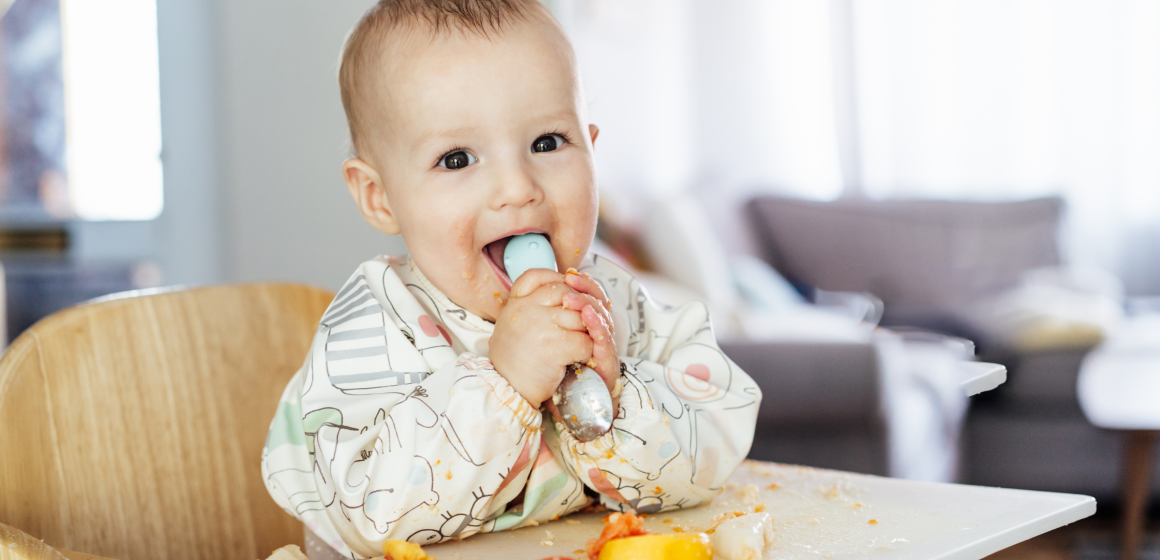
Food allergies are a growing concern for many parents. For new moms and dads in Buffalo, Erie County, and across Western New York, questions about introducing foods often come with a mix of excitement and worry: What if my baby has a reaction? Should I delay certain foods? How do I know what’s safe?
The American Academy of Pediatrics (AAP) offers clear guidance: introducing a variety of foods early and safely may actually help reduce the risk of food allergies, rather than increase it. Here’s what families need to know.
Why Food Allergies Happen
Food allergies occur when the immune system reacts abnormally to proteins in certain foods. Even small amounts can trigger symptoms. In infants and young children, the most common allergens include:
- Cow’s milk
- Eggs
- Peanuts
- Tree nuts (such as almonds, cashews, and walnuts)
- Soy
- Wheat
- Fish
- Shellfish
Reactions can range from mild (rashes, hives, upset stomach) to severe and life-threatening (anaphylaxis).
Preventing Food Allergies: The New Approach
For many years, parents were told to delay introducing allergenic foods. Today, research supports the opposite. The AAP and the National Institute of Allergy and Infectious Diseases (NIAID) recommend introducing common allergens early—around 6 months of age, once your baby has tolerated other solids.
For example:
- Peanut butter can be thinned with breast milk, formula, or water and offered in small amounts.
- Scrambled egg can be introduced in tiny, soft bites.
- Dairy can be introduced through yogurt or cheese, but avoid cow’s milk as a drink until after 12 months.
Early, consistent exposure may lower the risk of developing allergies later in childhood.
Who Needs Extra Caution?
Some babies are at higher risk for food allergies, especially those with:
- Severe eczema
- Existing food allergies
- A family history of strong allergic conditions
If your baby is high-risk, talk with your pediatrician before introducing allergenic foods. In some cases, allergy testing or supervised feeding in a medical setting may be recommended.
Recognizing Food Allergy Symptoms
Most allergic reactions appear quickly—within minutes to hours of eating. Signs include:
- Hives or red, itchy skin
- Swelling of the lips, face, or tongue
- Vomiting or diarrhea
- Persistent coughing, wheezing, or difficulty breathing
If your child shows signs of a severe reaction, such as difficulty breathing or swelling of the mouth and throat, call 911 immediately.
Managing Food Allergies
If your child is diagnosed with a food allergy:
- Work with your pediatrician and, if needed, a pediatric allergist to confirm the diagnosis.
- Learn how to read food labels carefully.
- Create a care plan with your child’s doctor, which may include carrying an epinephrine auto-injector if the allergy is severe.
- Share the plan with caregivers, daycare providers, and family members.
Support for Parents in Buffalo and Erie County
Managing food allergies can feel overwhelming, but you’re not alone. Families can lean on resources like the Food Allergy Research & Education (FARE) organization and local pediatric practices such as Medical Health Associates of WNY, where providers help families safely introduce foods, recognize warning signs, and manage allergies with confidence.
The Bottom Line
Food allergies are a real concern, but the way we think about prevention has changed. Introducing allergenic foods early—under the guidance of your pediatrician—can reduce risks for many babies. For those with allergies, clear management plans ensure children stay safe and healthy.
For more guidance, explore the AAP’s food allergy resources or connect with Medical Health Associates of WNY for local pediatric support.
Because feeding your baby should be about discovery, joy, and growth—not fear.