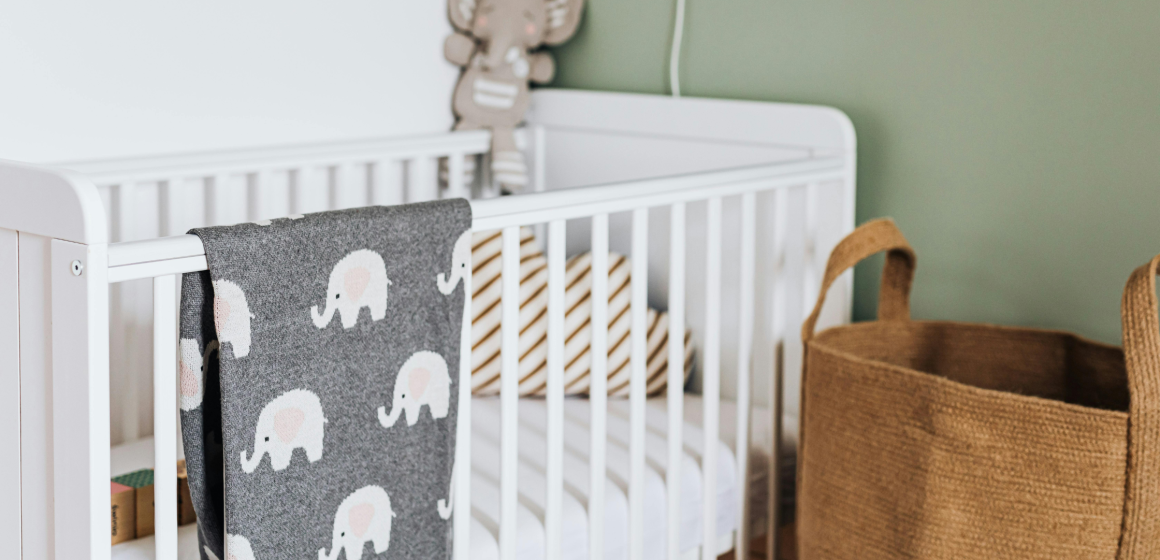
One of the biggest milestones in toddlerhood is the move from crib to “big kid” bed. For some families, it feels exciting and freeing. For others, it feels daunting—what if my toddler won’t stay in bed, or worse, gets hurt? The American Academy of Pediatrics (AAP) reassures parents that with patience and preparation, this transition can be smooth and safe.
For families in Buffalo and Erie County, where cozy sleep routines are especially important during long winters, knowing when and how to make the switch helps everyone rest easier.
When to Make the Transition
There’s no single “right” age, but most children move to a toddler bed between 18 months and 3 years. Readiness signs include:
- Climbing out of the crib (a safety hazard).
- Expressing interest in a “big kid” bed.
- Outgrowing the crib in size or comfort.
If your toddler isn’t climbing or showing readiness, it’s fine to wait—safety and timing matter more than age.
Choosing the Right Bed
- Toddler beds: Low to the ground, often use the same mattress as the crib.
- Twin beds with rails: Another safe option if you want a longer-lasting solution.
- Floor beds: A Montessori-inspired approach that allows independence but requires a fully childproofed room.
Make sure the mattress fits snugly, and avoid soft bedding, pillows, or stuffed animals for younger toddlers to maintain safe sleep practices.
Preparing Your Toddler
Toddlers thrive on routine. To ease the transition:
- Involve your child by letting them choose bedding or a favorite stuffed animal to sleep with.
- Talk about the change in positive terms: “You’re growing up, and now you get a special new bed!”
- Start with naps in the new bed before moving to overnight.
Consistency and reassurance are key—expect some resistance, but stay patient.
Managing Nighttime Challenges
It’s common for toddlers to test limits after the move. They may get out of bed repeatedly, call for parents, or wander during the night. Strategies include:
- Bedtime routine: Stick to a consistent routine of bath, book, and bed.
- Gentle returns: Calmly return your child to bed without long conversations or play.
- Positive reinforcement: Praise or reward staying in bed.
The AAP emphasizes that sleep consistency helps toddlers feel secure.
Safety First
When moving to a bed, childproofing becomes even more important since your toddler can now roam freely. Steps include:
- Securing furniture to walls.
- Using safety gates at stairs.
- Locking windows and doors.
- Keeping small objects, cords, and hazards out of reach.
When to Talk to Your Pediatrician
If your toddler struggles significantly with the transition—such as ongoing sleep refusal, night terrors, or behavioral challenges—discuss strategies with your pediatrician. At Medical Health Associates of WNY, pediatricians help families balance independence with healthy sleep.
The Bottom Line
Moving from a crib to a toddler bed is a big step for children and parents alike. With preparation, patience, and a focus on safety, this transition can be a positive milestone rather than a stressful hurdle.
For more resources, visit the AAP’s sleep safety guide. For local support, connect with Medical Health Associates of WNY, where pediatricians partner with families to make sleep transitions smoother and healthier.
Because bedtime isn’t just about where your toddler sleeps—it’s about helping the whole family rest better.