Every fall and winter in Buffalo, Erie County, and across Western New York, parents face the same challenge: flu season. Add RSV (respiratory syncytial virus) to the mix, and families with infants and young children often feel on high alert. While coughs and sniffles are common in childhood, flu and RSV can lead to serious illness—especially for babies, toddlers, and children with underlying health conditions. Vaccinations, along with other preventive measures, play a key role in protecting little ones through the colder months.
The American Academy of Pediatrics (AAP) strongly encourages parents to stay up to date with seasonal vaccines to help safeguard children and the community.
The Flu Vaccine: Annual Protection
The flu is more than just a bad cold. It can cause high fever, body aches, fatigue, and, in young children, serious complications such as pneumonia. Every year, thousands of children are hospitalized due to influenza.
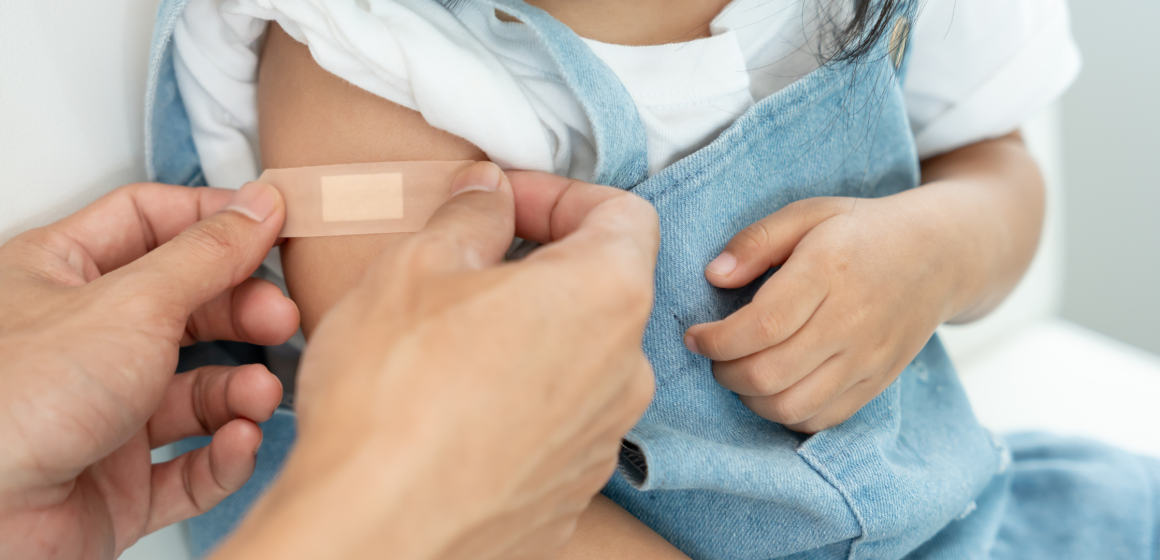
The AAP and CDC recommend that all children 6 months and older receive the flu vaccine every year, ideally before flu season begins in late fall. For babies receiving the flu shot for the first time, two doses (given at least four weeks apart) may be required.
Flu vaccines are safe, effective, and updated annually to match circulating strains. Getting vaccinated not only protects your child but also helps shield newborns too young to be vaccinated.
RSV: A Common Virus With Serious Risks
RSV is one of the most common causes of lower respiratory infections in infants. Most children have been infected by age two, but for babies under 12 months—especially premature infants or those with chronic conditions—RSV can cause bronchiolitis or pneumonia.
In 2023, the FDA approved the first RSV immunization options for infants and pregnant women. Babies can now receive a long-acting antibody shot to protect them through their first RSV season, and pregnant women can receive a vaccine during pregnancy to pass protective antibodies to their newborns. The AAP recommends parents talk to their pediatrician about which option is right for their baby.
Other Seasonal Vaccines
Beyond flu and RSV, parents should make sure children are current on their routine immunization schedule. Vaccines like DTaP, pneumococcal, and Hib help protect against infections that can complicate respiratory illnesses.
Preventive Steps Beyond Vaccines
Vaccines are powerful, but they work best alongside everyday healthy habits, especially during Buffalo’s long winters when families spend more time indoors. Parents can:
- Wash hands often and teach children to do the same.
- Keep babies away from crowded indoor gatherings when possible.
- Avoid exposure to cigarette smoke, which increases the risk of severe respiratory illness.
- Ensure good sleep, nutrition, and hydration to support immune health.
When to Call Your Pediatrician
Seek medical advice if your baby has:
- Difficulty breathing or rapid breathing.
- Wheezing, persistent coughing, or pauses in breathing.
- High fever, especially in infants under 3 months.
- Dehydration signs such as dry mouth, no tears when crying, or fewer wet diapers.
Local Support in Buffalo and Erie County
Pediatric practices like Medical Health Associates of WNY provide flu shots, RSV protection options, and ongoing guidance for parents navigating seasonal illnesses. Local clinics and community health programs also offer vaccine access throughout the fall and winter months.
The Bottom Line
Flu and RSV season can feel daunting, but parents don’t face it alone. Vaccinations—combined with healthy routines and timely care—help protect children during the months when respiratory viruses are most active.
For more information, explore the AAP’s immunization resources and the AAP’s RSV parent guide. To schedule your child’s vaccines in Buffalo and Western New York, contact Medical Health Associates of WNY.
Because staying ahead of flu and RSV isn’t just about protecting your child—it’s about protecting the entire community.