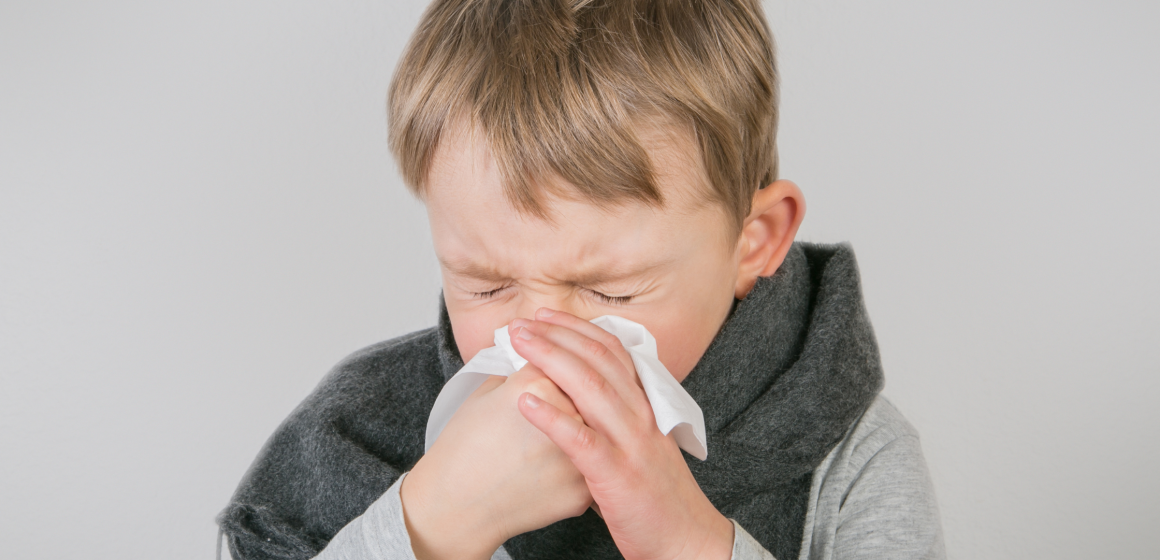
Few things are more stressful for parents than seeing their child sick. During the early years, it may feel like your toddler catches every bug going around daycare or preschool. The good news is that most childhood illnesses—like colds, coughs, and ear infections—are common, treatable, and rarely serious. Knowing what to expect and when to call your pediatrician helps parents in Buffalo and Erie County feel more confident and less anxious.
The American Academy of Pediatrics (AAP) reminds families that children’s immune systems are still developing, which makes them more prone to frequent infections in the first years of life.
Colds: The Most Common Illness
The common cold is caused by viruses, not bacteria, which means antibiotics don’t help. Symptoms include runny nose, sneezing, mild fever, sore throat, and cough. Colds usually last 7–10 days.
How parents can help:
- Keep children hydrated with water, breast milk, or formula.
- Use saline drops and a bulb syringe for stuffy noses in babies.
- Run a cool-mist humidifier to ease congestion.
- Offer comfort with rest and cuddles.
The AAP advises against over-the-counter cough and cold medicines for children under 6, as they are not effective and may be harmful.
Ear Infections: Painful but Treatable
Ear infections often follow a cold, as fluid builds up behind the eardrum. Symptoms may include ear tugging, fussiness, fever, and trouble sleeping.
What parents should know:
- Many ear infections improve without antibiotics, especially mild cases.
- Your pediatrician may recommend a “watchful waiting” approach before prescribing medication.
- Pain relief with acetaminophen or ibuprofen (if age-appropriate) may help.
If your child has frequent ear infections, your pediatrician may discuss prevention strategies or referral to an ear, nose, and throat (ENT) specialist.
Coughs: When to Worry
Coughing is a natural reflex that helps clear airways, but persistent or severe coughs may need medical attention. Common causes include colds, allergies, asthma, or viral infections like croup.
When to call your pediatrician immediately:
- Breathing seems labored or unusually fast.
- You hear wheezing, stridor (a harsh, high-pitched sound), or barking cough.
- Your child has blue lips, lethargy, or difficulty staying awake.
- A newborn under 2 months old develops a cough.
The AAP emphasizes that supportive care—hydration, rest, and monitoring—is usually all that’s needed for mild coughs.
Preventing Illnesses at Home
While you can’t avoid every cold or cough, prevention helps:
- Teach handwashing early and practice often.
- Encourage yearly flu shots and recommended vaccines.
- Limit exposure to smoke, which irritates airways.
- Make sure your child gets enough sleep and balanced nutrition.
Buffalo-Specific Tips
In Western New York, cold winters mean families spend more time indoors, which can increase germ exposure. Running a humidifier, keeping indoor air clean, and encouraging outdoor play when weather allows all help support children’s respiratory health.
The Bottom Line
Colds, coughs, and ear infections are part of childhood, but with the right care, most resolve on their own. Knowing when to seek medical help ensures your child gets timely treatment when needed.
For more guidance, explore the AAP’s illness management resources. For local, trusted support, contact Medical Health Associates of WNY, where pediatricians partner with families to manage everyday illnesses and keep kids healthy.
Because while sick days are part of growing up, parents don’t have to face them alone.