Your home is where your baby will grow, play, and explore—but it’s also where most childhood accidents happen. From falls to burns to choking hazards, even everyday objects can pose risks to curious little ones. The American Academy of Pediatrics (AAP) stresses that prevention is the best way to protect children. By babyproofing early and staying vigilant, families in Buffalo and Erie County can create a safe space for their children to thrive.
Why Babyproofing Matters
Babies develop quickly. What starts as rolling soon turns into crawling, pulling up, and eventually climbing. Hazards that seem harmless today can become dangerous tomorrow. Parents who prepare early stay one step ahead of their child’s abilities.
Key Areas to Babyproof
1. Falls
Falls are the most common cause of injury for young children. To prevent them:
- Install safety gates at the top and bottom of stairs.
- Keep furniture away from windows.
- Use window guards or locks on upper floors.
- Never leave a baby unattended on a changing table, bed, or couch.
2. Poisoning
Household cleaners, medicines, and even some plants can be harmful if swallowed.
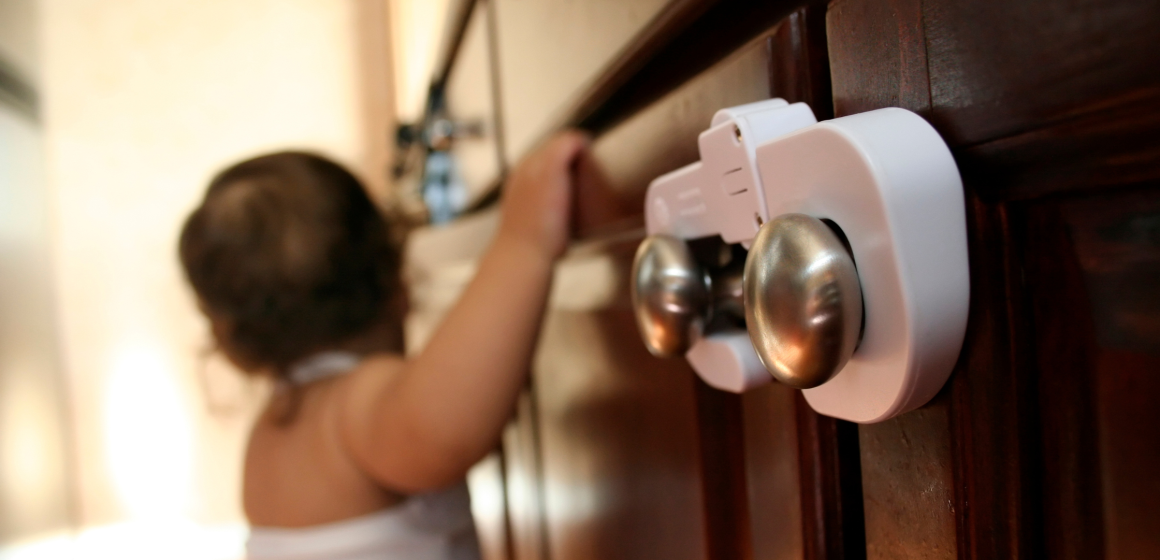
- Store all medications and cleaners in locked cabinets.
- Use child-resistant packaging but don’t rely on it completely.
- Post the Poison Control Center number (1-800-222-1222) where it’s visible.
3. Burns
Hot liquids, stoves, and heaters are common sources of burns.
- Keep hot drinks out of reach.
- Set water heater temperature to 120°F or lower.
- Use stove knob covers and keep pot handles turned inward.
- Place guards around space heaters and fireplaces.
4. Choking and Suffocation
Babies explore with their mouths, making small objects risky.
- Keep coins, buttons, and small toys out of reach.
- Cut food into tiny pieces and avoid hard foods like nuts, popcorn, and whole grapes.
- Place babies on their backs for every sleep and keep cribs free of pillows, blankets, and stuffed animals.
5. Electrical and Sharp Objects
- Cover outlets with safety plugs.
- Keep cords tied up and out of reach.
- Store knives and scissors in locked drawers.
Local Considerations for Buffalo Families
Buffalo’s older homes often have unique safety challenges—like steep staircases, radiators, and drafty windows. Parents should pay extra attention to securing these areas. Winter safety is also key: use gates near fireplaces or wood stoves, and make sure space heaters are kept well away from play areas.
Teaching Safety Over Time
As children grow, teaching becomes just as important as babyproofing. Explaining why outlets are dangerous, why seatbelts are necessary, or why running on wet floors can cause falls helps children build lifelong awareness of safety.
When to Call Your Pediatrician
If your child experiences a fall, burn, or ingests something potentially harmful, call your pediatrician right away. For suspected poisoning, call the Poison Control Center immediately at 1-800-222-1222. Pediatricians at Medical Health Associates of WNY can guide families on both prevention and emergency steps.
The Bottom Line
Babyproofing isn’t about removing all risks—it’s about reducing preventable accidents so kids can explore safely. With early preparation and regular updates as your child grows, your home can remain a safe, nurturing space for every stage of development.
For more guidance, visit the AAP’s Home Safety Guide. For personalized support, connect with Medical Health Associates of WNY, where pediatricians help families create safe environments for growing children.
Because when your home is safe, your baby can focus on what they do best—exploring, learning, and growing.