Safe Sleep Practices to Reduce SIDS Risk
When you bring your baby home, one of your top priorities is making sure they are safe and comfortable—especially during sleep. Parents often worry about Sudden Infant Death Syndrome (SIDS), and with good reason: while rare, SIDS remains a leading cause of death in infants under one year of age. The good news is that simple, consistent safe sleep practices can dramatically reduce the risk.
The American Academy of Pediatrics (AAP) provides clear, evidence-based recommendations to keep babies safe during naps and nighttime sleep. Here’s what every parent in Buffalo, Erie County, and Western New York should know.
Always Place Your Baby on Their Back
The single most important safe sleep step is putting your baby on their back for every sleep—naps and overnight. Since the AAP launched the “Back to Sleep” campaign in the 1990s, SIDS rates have dropped significantly. Side and stomach positions increase the risk and should be avoided.
Use a Firm, Flat Sleep Surface
Your baby’s crib, bassinet, or portable play yard should have a firm, flat mattress covered only with a fitted sheet. Soft surfaces like couches, armchairs, or adult beds are unsafe. Avoid wedges, positioners, or inclined sleepers, which can increase suffocation risks.
Keep the Sleep Space Clear
Babies should sleep without pillows, blankets, bumper pads, stuffed animals, or toys. These items may look cozy but pose suffocation and strangulation hazards. Instead, use a sleep sack or wearable blanket to keep your baby warm without loose bedding.
Share a Room, Not a Bed
The AAP recommends that infants sleep in the same room as their parents—ideally for at least the first six months, and preferably the first year—but not in the same bed. Room-sharing makes nighttime feeding easier and allows parents to monitor their baby more closely while maintaining a safe environment.
Avoid Overheating
Overheating is another risk factor for SIDS. Dress your baby in light sleep clothing and keep the room at a comfortable temperature for an adult. Signs of overheating include sweating, flushed cheeks, or rapid breathing.
Encourage Breastfeeding and Pacifier Use
The AAP notes that breastfeeding is associated with a lower risk of SIDS. Offering a pacifier at sleep time may also help reduce risk. If breastfeeding, wait until nursing is well established before introducing a pacifier, typically around 3 to 4 weeks.
Stay Up to Date on Immunizations
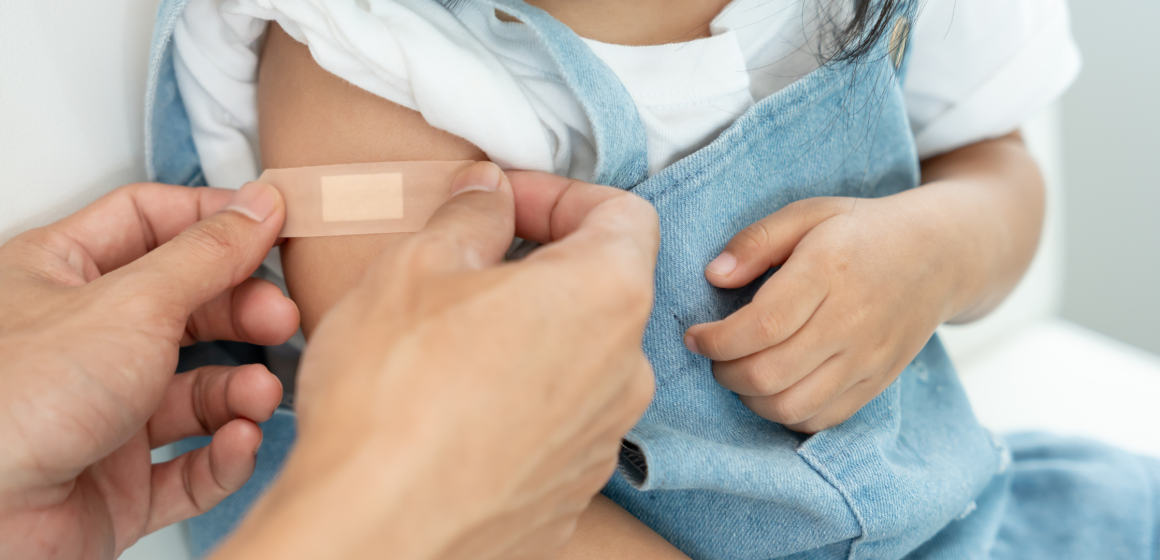
Vaccines don’t just protect against infections—they also reduce the risk of SIDS. Keeping your baby on schedule with the recommended immunizations is an important part of safe sleep and overall health.
Avoid Exposure to Smoke and Alcohol
Infants exposed to tobacco smoke, alcohol, or drugs during pregnancy or after birth are at higher risk of SIDS. Maintaining a smoke-free home and car, and avoiding secondhand smoke exposure, helps protect your baby’s health.
When to Call Your Pediatrician
Talk to your pediatrician if you have questions about your baby’s sleep environment, feeding patterns, or overall health. If your baby has medical conditions requiring special care, your pediatrician can help tailor safe sleep practices to your situation.
The Bottom Line
Safe sleep isn’t complicated, but it does require consistency. Placing babies on their backs, using a firm sleep surface, keeping cribs clear, and sharing a room without sharing a bed are the cornerstones of prevention. Combined with breastfeeding, pacifier use, immunizations, and a smoke-free environment, these habits greatly reduce the risk of SIDS.
For more resources, visit the AAP’s Safe Sleep Guide. For personalized support, reach out to Medical Health Associates of WNY, where pediatricians are ready to guide families across Buffalo and Erie County through the newborn stage with confidence and care.
Because safe sleep isn’t just about rest—it’s about giving your baby the safest possible start in life.