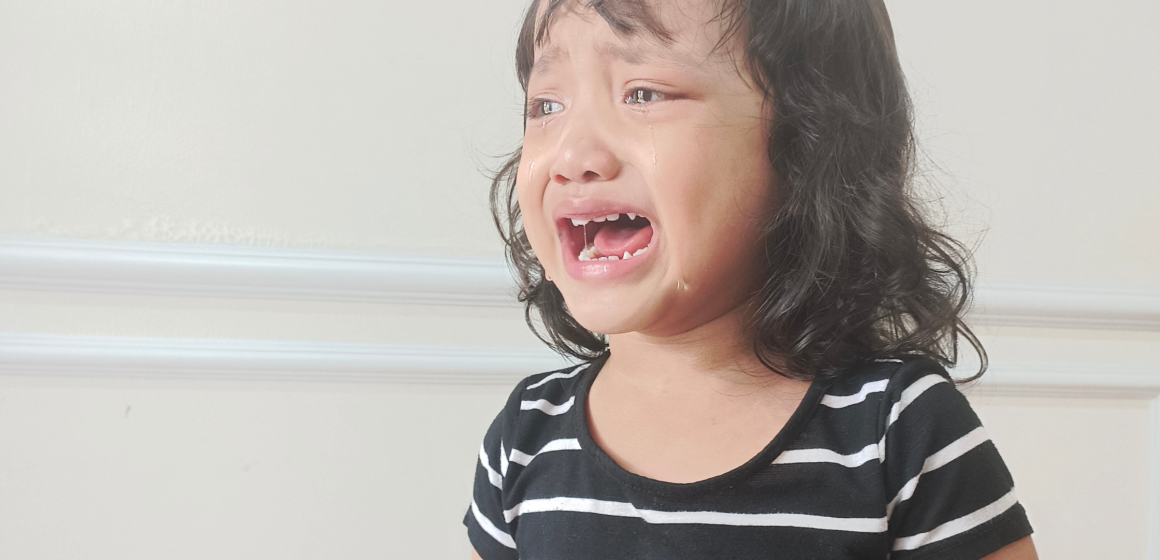
It’s a scene many parents know well: you drop your toddler off at daycare, or you try to step out of the room, and suddenly there are tears, clinging arms, and cries of “Don’t go!” While it can be stressful for both children and parents, separation anxiety is a normal stage of development. The American Academy of Pediatrics (AAP) reassures families that most children outgrow it with time, patience, and support.
For parents in Buffalo and Erie County, understanding separation anxiety—and learning strategies to ease it—can make daily transitions smoother and less stressful.
Why Separation Anxiety Happens
Separation anxiety typically appears between 6 months and 3 years of age. At this stage, children are developing a sense of object permanence—the understanding that people and things still exist even when they can’t be seen. While this is a positive developmental milestone, it also means toddlers realize that parents can leave them, which can feel scary.
Common triggers include daycare drop-offs, bedtime, or even a parent stepping into another room.
What Separation Anxiety Looks Like
Signs of separation anxiety may include:
- Crying or tantrums when a parent leaves.
- Refusal to be cared for by others.
- Nighttime wakings or difficulty falling asleep alone.
- Clinginess during new situations or around strangers.
These behaviors are typical and usually fade as children gain confidence and independence.
Strategies to Ease Separation Anxiety
The AAP suggests supportive approaches that build trust:
- Practice short separations: Start by leaving your child with a trusted caregiver for brief periods, gradually increasing the time apart.
- Create goodbye rituals: A consistent routine—a hug, a kiss, and a special phrase—provides reassurance and predictability.
- Keep goodbyes short and confident: Lingering often increases distress. A quick, loving goodbye communicates trust.
- Offer comfort items: A favorite blanket or stuffed animal can provide security during separations.
- Prepare in advance: Talk about daycare, playdates, or bedtime routines ahead of time to set expectations.
Supporting Toddlers Through Transitions
Consistency and patience are key. Children thrive on predictable routines, whether it’s morning drop-offs or bedtime. Parents in Buffalo may also find that seasonal changes, like darker winter mornings, can heighten anxiety—building extra time into routines helps keep transitions calmer.
When to Talk to Your Pediatrician
While separation anxiety is normal, it may be helpful to seek guidance if:
- Your child’s anxiety is extreme or continues beyond age 3–4.
- Symptoms interfere with daily life, like eating, sleeping, or attending daycare.
- Your child shows physical symptoms (stomachaches, headaches) with separations.
Pediatricians at Medical Health Associates of WNY can help parents distinguish typical development from anxiety that may benefit from further evaluation or support.
Supporting Parents Too
Separation anxiety can be just as tough on parents as it is on children. Feelings of guilt or stress are normal. Leaning on your support network—family, friends, parenting groups in Erie County—can help parents manage their own emotions while supporting their toddler.
The Bottom Line
Separation anxiety is a sign of healthy attachment, not weakness. With supportive routines, patience, and reassurance, toddlers learn that parents always return, building trust and resilience for future independence.
For more resources, visit the AAP’s developmental stages guide. For local support, connect with Medical Health Associates of WNY, where pediatricians guide families through every milestone of early childhood.
Because every goodbye is also a lesson in love, trust, and growing independence.