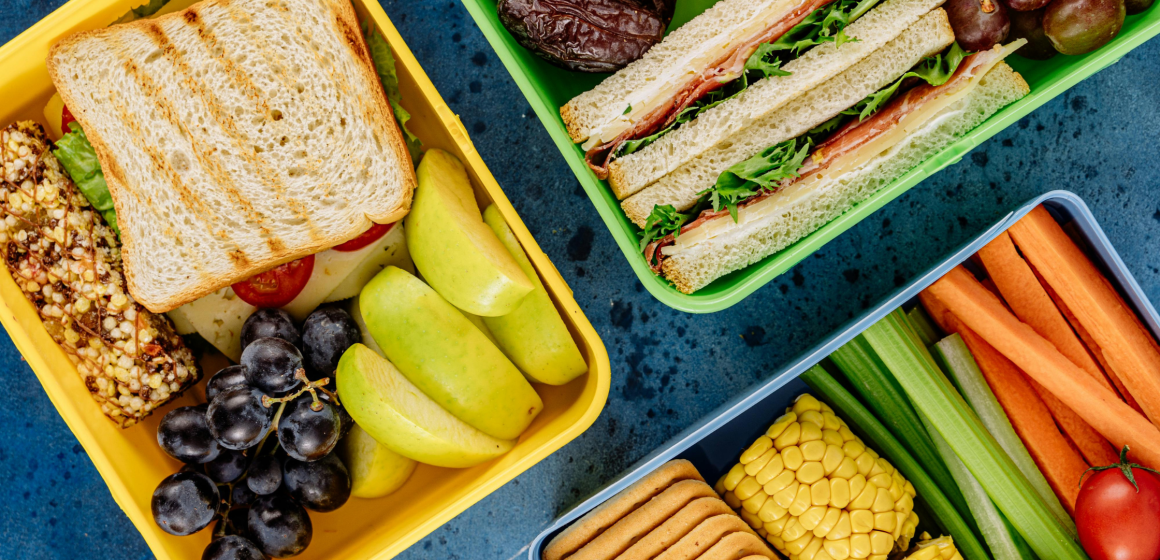
Packing a lunchbox may seem simple, but what goes inside can make a big difference in your child’s energy, focus, and mood throughout the school day. Add in after-school hunger, and parents often find themselves scrambling for quick snacks that don’t compromise health. The American Academy of Pediatrics (AAP) reminds families that balanced nutrition supports learning, growth, and overall well-being.
For families in Buffalo and Erie County, where busy schedules and seasonal routines can make meal planning challenging, simple strategies can turn lunches and snacks into fuel for success.
Building a Balanced Lunch
A healthy school lunch should include a mix of:
- Whole grains: Whole-wheat bread, brown rice, or wraps provide lasting energy.
- Protein: Lean meats, beans, hummus, eggs, or cheese support growth and focus.
- Fruits and vegetables: Fresh, cut-up produce makes eating more appealing for kids.
- Healthy fats: Avocado, nut butters (if school allows), or sunflower seeds add nutrition and satiety.
The AAP suggests letting children help choose items—when kids have input, they’re more likely to eat what’s packed.
Snack Smarts After School
After a long day, kids come home hungry. Instead of processed snacks, try:
- Apple slices with peanut butter or sunflower butter.
- Yogurt with fruit and granola.
- Whole-grain crackers with cheese.
- Veggies with hummus.
- Smoothies made with milk, fruit, and spinach.
These options provide a balance of carbohydrates, protein, and fiber to keep kids satisfied until dinner.
Avoiding Sugar Overload
Juice boxes, cookies, and chips are easy fillers, but too much sugar leads to energy crashes and tooth decay. The AAP recommends:
- Limiting juice to 4–6 ounces per day for children ages 4–6.
- Choosing water or milk instead of soda or sports drinks.
- Reading labels—many “kids’ snacks” contain hidden sugars.
Buffalo Family Tips
Western New York families often juggle long school days, extracurriculars, and snowy commutes. Planning ahead helps:
- Prep lunchbox fruits and veggies on weekends.
- Stock the pantry with healthy grab-and-go snacks.
- Warm thermoses with hearty soups or pasta dishes for cold winter days.
Making Lunch Fun
Presentation matters to kids. Try:
- Cutting sandwiches into fun shapes.
- Adding a note or sticker for encouragement.
- Packing a mix of colors for visual appeal.
These small touches make healthy food more inviting.
When to Talk to Your Pediatrician
Some children struggle with appetite, picky eating, or food sensitivities. If you’re concerned about growth or nutrition, your pediatrician at Medical Health Associates of WNY can help guide food choices and provide referrals to dietitians if needed.
The Bottom Line
School lunches and snacks are more than meals—they’re opportunities to fuel learning and build lifelong healthy habits. With balance, planning, and creativity, parents can give children the nutrition they need to thrive inside and outside the classroom.
For more tips, explore the AAP’s nutrition resources. For local guidance, connect with Medical Health Associates of WNY, where pediatricians partner with families to support healthy eating at every stage of childhood.
Because every lunchbox and snack break is a chance to nourish growing bodies and minds.