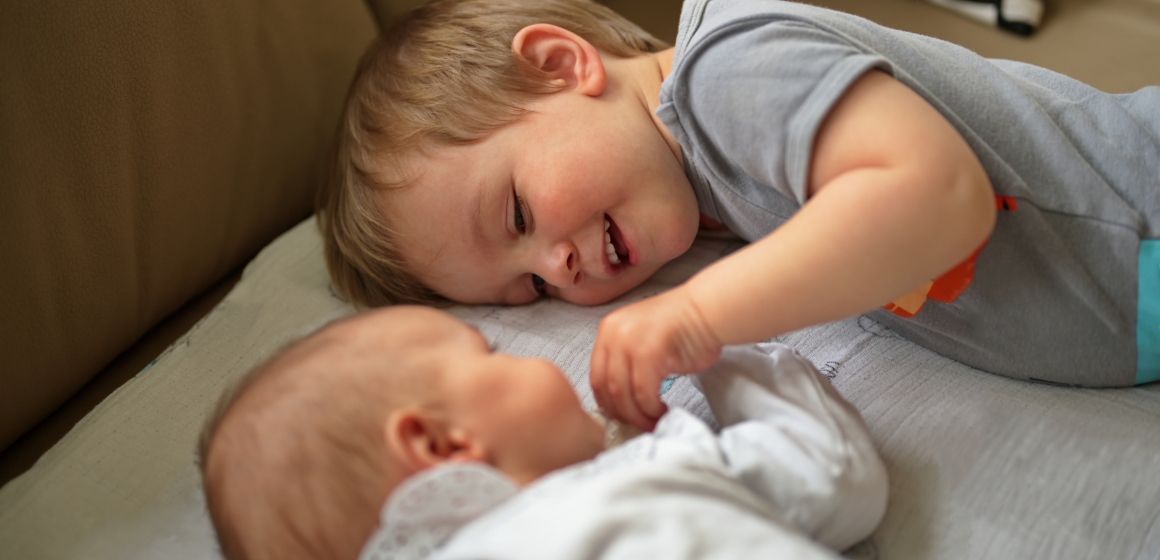
Welcoming a new baby is an exciting time for families, but for older siblings, it can also bring big emotions—curiosity, excitement, jealousy, or even confusion. Adjusting to a new role takes time, and parents often wonder how to help children feel included rather than displaced. The American Academy of Pediatrics (AAP) emphasizes that preparing and supporting siblings during this transition strengthens family bonds and eases stress for everyone.
For parents in Buffalo and Erie County, where extended family networks often play an important role, encouraging sibling connection can help smooth the transition.
Why the Transition Feels Big
For toddlers and preschoolers, the arrival of a baby may mean sharing parents’ attention for the first time. For older children, it may bring new responsibilities and expectations. Each age group experiences the change differently, but feelings of rivalry or jealousy are normal.
Preparing Before the Baby Arrives
The AAP recommends including siblings early in the process:
- Talk openly: Explain what to expect in age-appropriate language.
- Visit the hospital together (if allowed): Help children feel part of the big day.
- Read books about new siblings: Stories make the concept relatable.
- Reassure consistency: Let children know their routines—like bedtime stories—will continue.
Supporting Siblings After Birth
- Give special jobs: Toddlers can fetch diapers, while older children can sing to or read to the baby.
- Spend one-on-one time: Set aside moments with each child, even if just 10 minutes a day.
- Celebrate the older child: Acknowledge their new role as “big brother” or “big sister.”
- Expect regression: Toddlers may ask for bottles or show clinginess. This is temporary and usually a request for reassurance.
Managing Jealousy
Jealousy is common, but parents can ease it by:
- Avoiding constant comparisons between siblings.
- Praising cooperative behavior.
- Framing the new baby as a family addition, not competition.
Buffalo Family Life: Leaning on Community
In Western New York, grandparents, cousins, and neighbors often play an active role in family life. Involving extended family in caring for the baby and spending time with older siblings can ease the transition and make every child feel supported.
When to Talk to Your Pediatrician
While adjustment takes time, reach out to your pediatrician if an older child:
- Shows persistent aggression toward the baby.
- Withdraws significantly or shows changes in eating/sleeping.
- Expresses ongoing sadness, anger, or behavioral regression that doesn’t improve.
At Medical Health Associates of WNY, pediatricians support not just newborns but the whole family dynamic, offering guidance and reassurance for parents navigating these changes.
The Bottom Line
A new baby reshapes family life, but with preparation, patience, and reassurance, siblings can build loving, lasting bonds. By including older children in routines, giving them special roles, and honoring their emotions, parents create a foundation for harmony and connection.
For more resources, visit the AAP’s family dynamics page. For local support, connect with Medical Health Associates of WNY, where pediatricians partner with families to support every child through life’s big changes.
Because welcoming a baby isn’t just about adding a sibling—it’s about growing a family together.